
Way Out #13: From 25 Years in Corporate PR to Building an Agency on His Terms with John McCartney
🎥 Watch on YouTube
🎧 Listen on Spotify
🎧 Listen on Apple
John McCartney is the founder of JMAC PR, a boutique PR and marketing agency that helps technology companies grow and scale. After a 25-year career in public relations across New York, San Francisco, and Los Angeles, he decided to bet on himself and chart his own path as an entrepreneur.
Bronx Foundation and Early Career

Born in San Diego, California, to a father who served in the Marines, John’s life took its first major pivot at age seven when his parents divorced, and his mother relocated the family across the country to the Bronx to be closer to relatives. Raised in a crowded one-bedroom apartment, John found his ultimate role model in his single mother. He watched her work tirelessly seven days a week. She balanced jobs as a bank teller and working at a bakery to provide for her three children and his grandmother.
Witnessing her incredible sacrifice laid a profound foundation for John, instilling a relentless work ethic and a deep drive to succeed. He channeled that grit into his education, consistently excelling as an honors student, and by age 15, he was already eager to pull his own weight. He landed his first part-time job slicing cold cuts at a local deli, eventually moving on to work as a supermarket stock boy, proving early on that he had the hustle required to build a successful life.
Though he initially wanted to be an engineer or work at NASA, his love for writing led him to pursue journalism at the City College of New York. After graduation, he took a job as a small-town reporter in Connecticut for six months. He loved going from store to store on Main Street and attending town hall meetings to find the news, but the need to pay off student loans drove him to call a former boss and accept an entry-level PR assistant job in Manhattan. However, his brief stint as a reporter instilled a deep sense of curiosity in him that still drives his PR career today. He views his role through a journalistic lens, acting as a "sponge" to constantly learn about different people and businesses so he can best amplify their stories.
The Catalyst for the Leap
Fast forward to the beginning of 2020. John had just relocated to Los Angeles, but found himself feeling unchallenged and lacking upward mobility in his current agency role. The agency was facing headwinds, presenting John with a definitive fork in the road: find a job at another firm or start his own business.

As someone who admits to being risk-averse and accustomed to the security of a steady paycheck, the idea of entrepreneurship made him nervous. However, he didn't jump into the deep end blindly. He reached out to friends in the PR industry who had successfully transitioned into freelance and contracting roles, gathering helpful insights and advice before making his move. He realized that the worst-case scenario was simply returning to the corporate workforce if his business failed, and he wanted to live a life without regrets.
“The one thought I had at the time was, you know what, John? Better to try this solo freelancer thing out first. Worst-case scenario, it doesn't work, and you could always go back to interviewing and applying for jobs at other businesses. At the very least, try this out, see where it goes. Because I also like to live life without any regrets.”
Redefining Agency Culture (and Delegating to Experts)
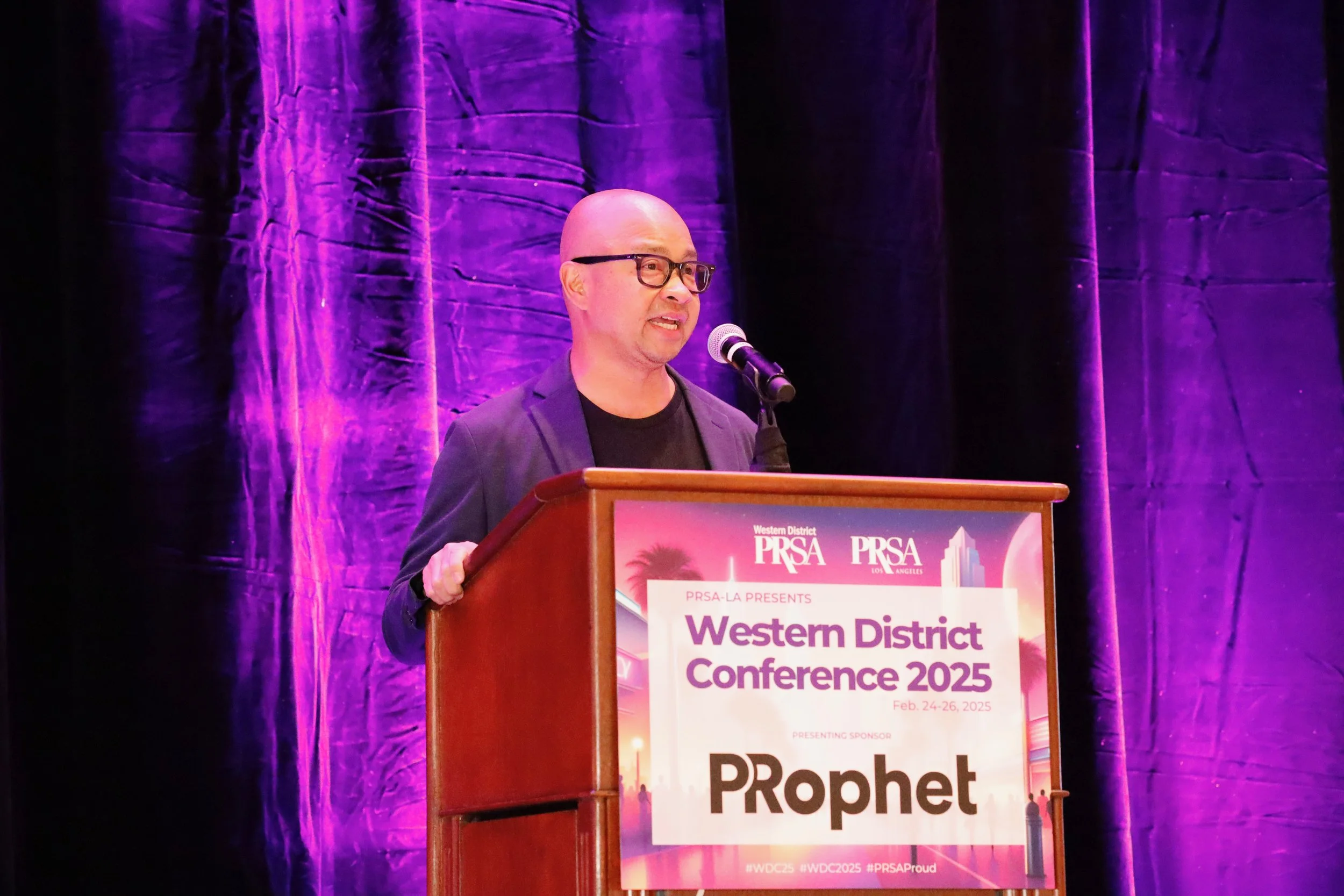
When John launched JMAC PR, he didn't just want to create another PR firm; he wanted to shape a business that completely rejected toxic agency environments. Guided by the philosophy that "we work to live, we don't live to work," John actively prioritizes work-life balance for his team.
John realized early on that to avoid burnout as an entrepreneur, he could not do everything himself. He actively sought out experts to handle the tasks he wasn't good at or didn't want to do. He hired a fractional HR director to handle human resources and a fractional finance director to manage the books. To ensure his employees feel truly seen and heard, he also hired a transformational consultant, known as 'T', who meets one-on-one with his team members to help them navigate both personal and professional challenges.
The Reality of Founder Income and Prioritizing Self-Care
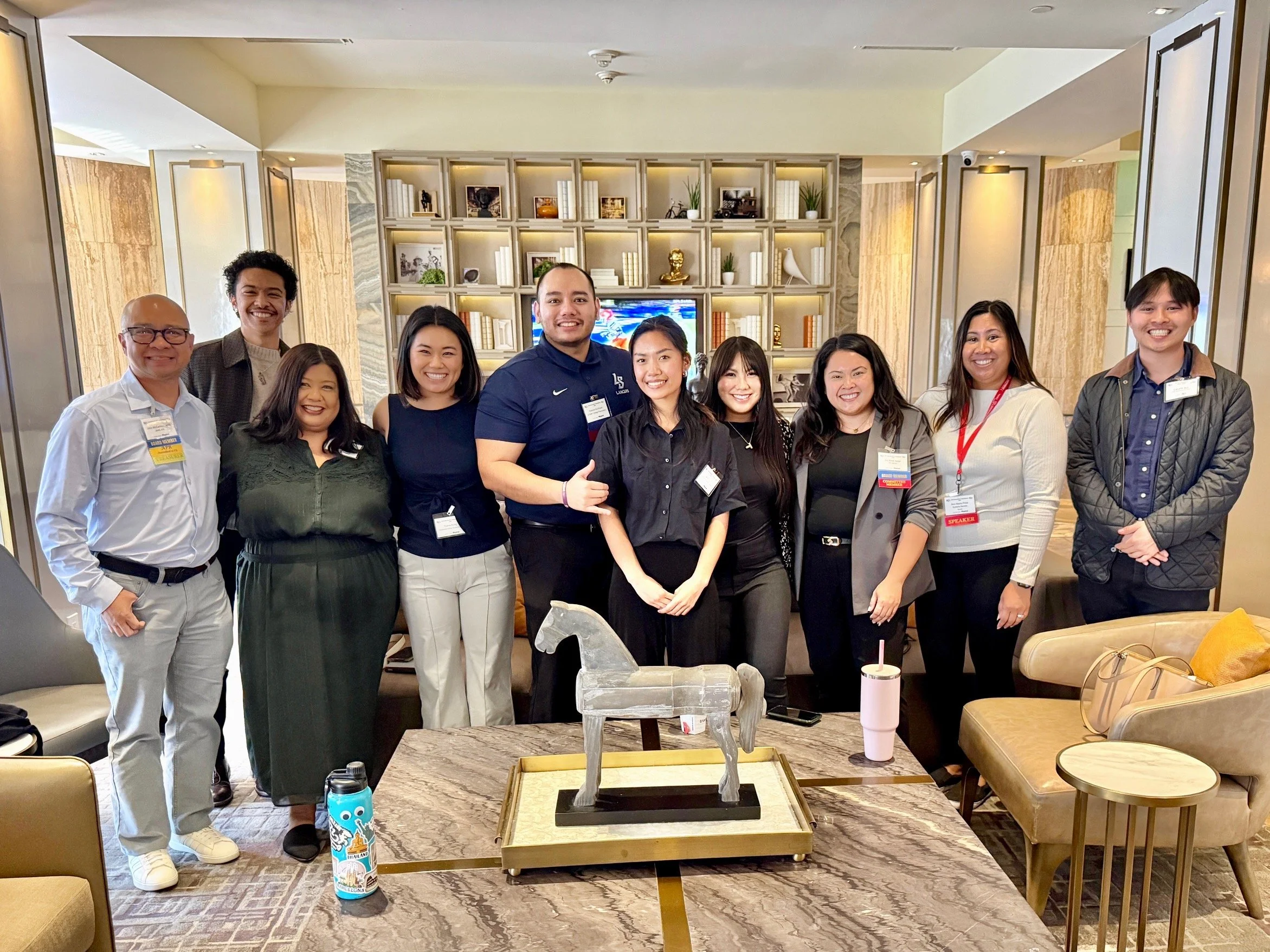
Transitioning from a guaranteed corporate salary to an entrepreneur’s income was a "rude awakening" for John. He structured his business as an S-Corp, shifting to a combination of an owner's draw and a "reasonable salary." He is highly transparent about the financial pressures stemming from current global business headwinds, noting that he recently declined his accountant's advice to raise his own salary until the business is in a better financial position.
When asked if he would choose happiness or success, John answers, "Easily happiness." Today, he actively prioritizes his mental and physical health by meditating for 10 minutes a day, going to therapy, taking two-mile walks without distractions, and listening to self-help podcasts. When reflecting on what keeps him grounded, John made it a point to express his deep praise, gratitude, and appreciation for his family, friends, and supporters. He recognizes that true success isn't built in a vacuum, acknowledging that without their unwavering backing, he simply would not be where he is today.
John’s Advice for Wayfinders
For those looking to leave the corporate grind and build their own path, John offers a few core pieces of wisdom:
Delegate your weaknesses:
Don't try to be the HR person or the finance person if that's not your wheelhouse. Hire experts to handle the things you aren't good at so you can focus on your strengths and avoid rapid burnout.Give your business time to grow:
John warns against expecting too much, too soon. He advises thinking of your business like a child: "Your business is five years old. Are you expecting your five-year-old to break the mile in under 4 minutes? No." Learning to reframe your expectations prevents you from feeling like you are falling behind.Make people feel seen and heard:
If you are going to build a team, remember the human element. John notes that the "number one reason" people leave a business is that "they don't feel like they're being seen. They don't feel like they're being heard." John goes the extra mile to ensure his people feel supported and valued.
Follow John McCartney:
Website: jmacpr.com
LinkedIn: John McCartney
Email: john@jmacpr.com
Forbes Council: John contributes to the Forbes Agency Council. Check it out.
This post is part of the 101 Ways Out series: stories of people who found the courage to exit the status quo and build a life of purpose, freedom, and joy.
