
Way Out #17: From Pastor to Serial Entrepreneur with Keith Davenport
If you wanted to script the ultimate story of a radical life pivot, you would be hard-pressed to write something more dramatic than Keith Davenport’s reality.
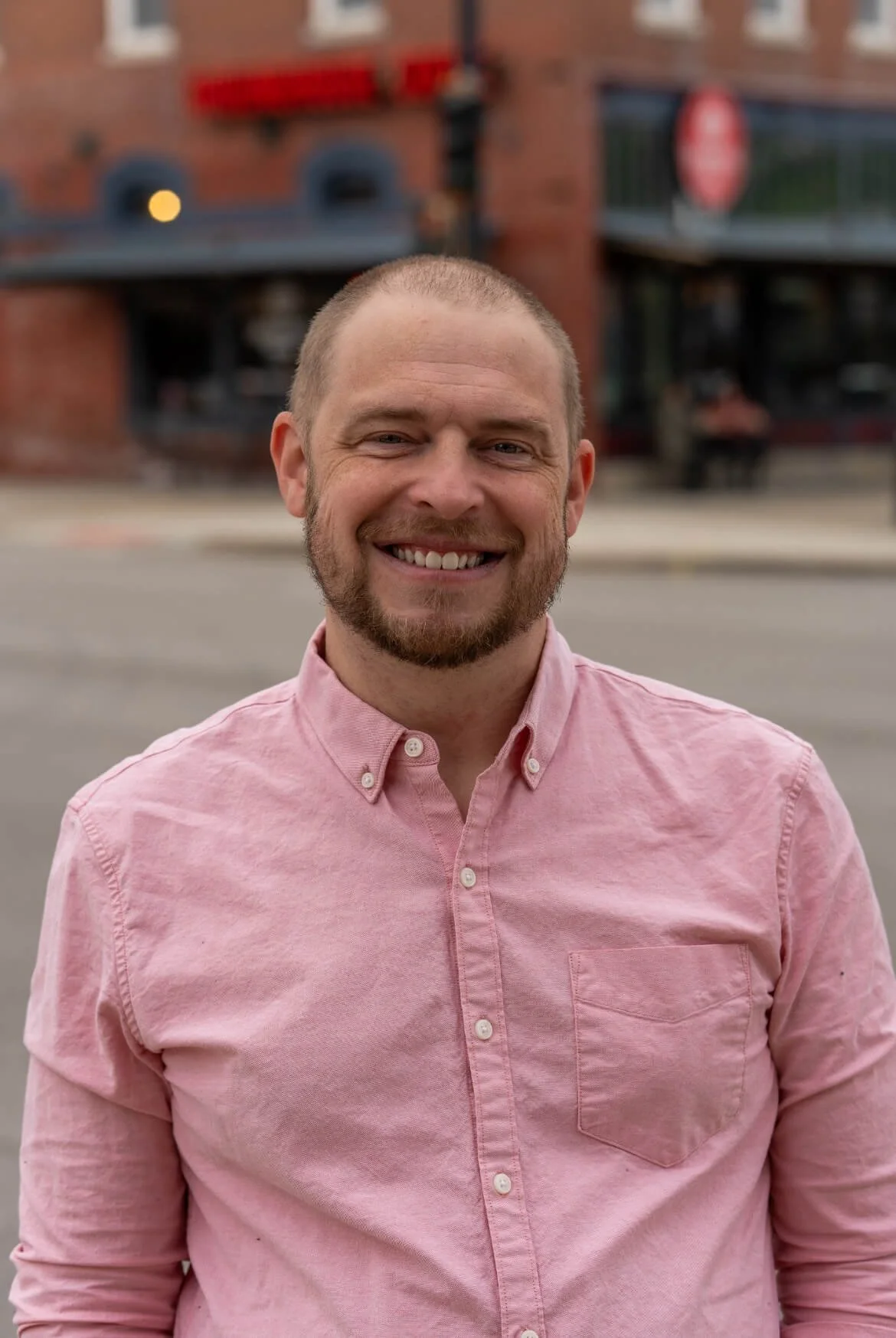
Imagine growing up in a town with zero stoplights, dedicating your life to becoming a conservative evangelical pastor, only to eventually become a progressive political candidate, a self-identified atheist, and a neurodivergent serial entrepreneur.
Keith’s path is not a straight corporate ladder. It is a chaotic, beautiful, and deeply personal evolution of faith, mental health, and the pursuit of a life built entirely on his own terms.
A Boy with a Calling
Keith’s story begins in Polo, Illinois, a rural town of just 2,500 people whose high school mascot was the "Marcos." Raised in an insulated, conservative Christian household, Keith was practically born in the church.
When he was around five years old, his father, a pastor, suddenly shifted his belief system, turned atheist, and left the family, leading to his parents' divorce. To young Keith, this sudden departure from faith was associated with immorality and abandonment, solidifying his resolve to stay the conservative course. At just nine years old, he felt a profound, divine calling to become a pastor. He followed the rules, attended a Christian college, and set off for Kansas City to attend seminary and earn a Master of Divinity degree.
Cracks in the Foundation
While studying to be a pastor, Keith learned ancient Greek and Hebrew, diving deep into the historical context of the Bible. In a history class, he studied the Enuma Elish, an ancient Babylonian creation myth that predated the writing of Genesis. He realized that the biblical seven-day creation story wasn't intended to be a literal scientific account, but rather a theological interpretation and response to Babylonian mythology.
This revelation didn't immediately destroy his faith, but it shifted his worldview away from strict conservatism toward a much more progressive interpretation of life. He still wanted to serve people. He pastored a church in Lawrence, Kansas, but it didn't pay a salary. To survive, he worked 50 hours a week as a manager in higher education, commuting an hour each day. The grueling schedule broke him, and in 2017, completely burnt out, he stepped away from the pulpit and filed his ministerial credentials away.
Tests, Allies, and Enemies: The Grind and the Awakening
Stepping out of the church plunged Keith into his deepest trials yet. He transitioned into a career in local government, eventually becoming the communications manager for the Johnson County Mental Health Center right as the COVID-19 pandemic hit.
For months, he worked relentlessly to translate complex executive health directives to 350 employees while managing crisis communications for a county of 600,000 people. The pressure was immense. What he didn’t know at the time was that he was battling severe anxiety and undiagnosed ADHD. His hyper-fixation turned him into a workaholic who alienated coworkers and routinely missed social cues, leaving him deeply unhappy despite continuous promotions and raises.
Simultaneously, his political and spiritual beliefs were facing a total reckoning. Disgusted by the rhetoric of the Trump administration, Keith abandoned his lifelong conservative voting record and registered as a Democrat.
In 2022, he ran for the Kansas State House of Representatives in a deeply conservative district. When Roe v. Wade was overturned, Keith, who had previously leaned pro-life, dug deep into the medical science and political tactics surrounding the issue, realizing the arguments he'd been taught didn't hold up. He shifted his stance entirely, ending up on the front page of the newspaper holding a pro-choice sign and receiving hate mail questioning his salvation.
The Breaking Point
Every radical life pivot usually stems from a moment where the foundation completely gives way. For Keith, this happened in the fall of 2022. First, he officially lost his highly contested race for the Kansas State House. Just two days after losing the election, he received a panicked phone call from across town: his father-in-law had suffered a massive heart attack and passed away that night. This grief forced Keith to confront the absolute core of his beliefs. It was the final catalyst that pushed him to officially leave Christianity behind and identify as an atheist, though he still deeply values the spiritual interconnectedness of people.
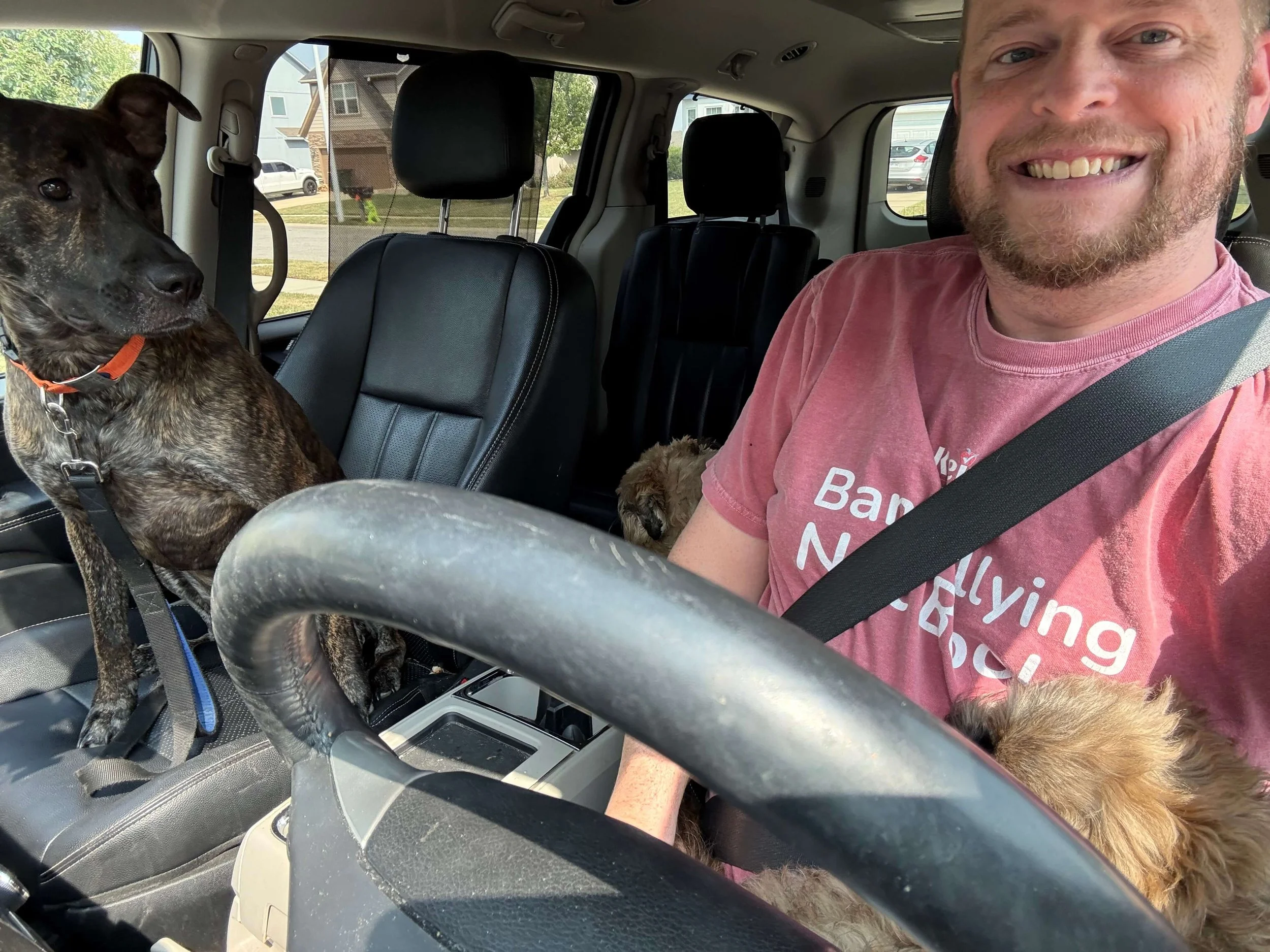
Rather than harboring bitterness, he approaches his new worldview with empathy, noting that much of his family is still in the ministry. "I don't feel like I have to sort of evangelize other people into atheism," he shared. "I'm not trying to convince any of my siblings or friends or coworkers or employees to change what they believe to be more like me. I'm just still living my life and trying to follow my values."
His mental health also hit rock bottom during this period. After ruining his own birthday by being "mad and mean to everybody," he finally realized he needed professional help. He drove himself to urgent care, got on anti-anxiety medication, and started therapy. He later sought treatment for his ADHD, terrified that medication would ruin his brain.
"I was terrified that all of a sudden I was gonna get medicated for my ADHD, and then I was gonna fail at business because my ADHD was my superpower essentially to be an entrepreneur," he admitted. Instead, he found that it vastly improved his executive function without dulling his entrepreneurial spirit, proving to him that "if you're going to be a strong, good business leader, you have to be healthy."
The Serial Entrepreneur
Just two weeks after checking into urgent care, Keith had an epiphany: he needed to build his own life. He abandoned the corporate and government grind entirely.
He launched Blazer Strategies, a consulting firm with a unique model that leverages a roster of 30 freelancers, bringing in a quarter of a million dollars in top-line revenue in its first full year.
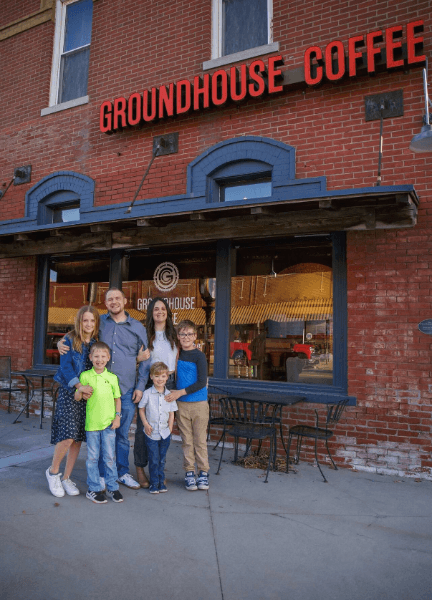
Shortly after, he achieved a massive dream by using seller financing to acquire Ground House Coffee, a beloved 55-employee community staple in his hometown of Gardner, Kansas. He structured the business to play to his strengths, handing the daily operations to a trusted manager so he could focus on overarching strategy, community connections, and vision casting. He then went on to found a third company, MythicHire, an HR tech startup aimed at eliminating resume bias by focusing on transferable skills and life experience.
Redefining Community Wealth
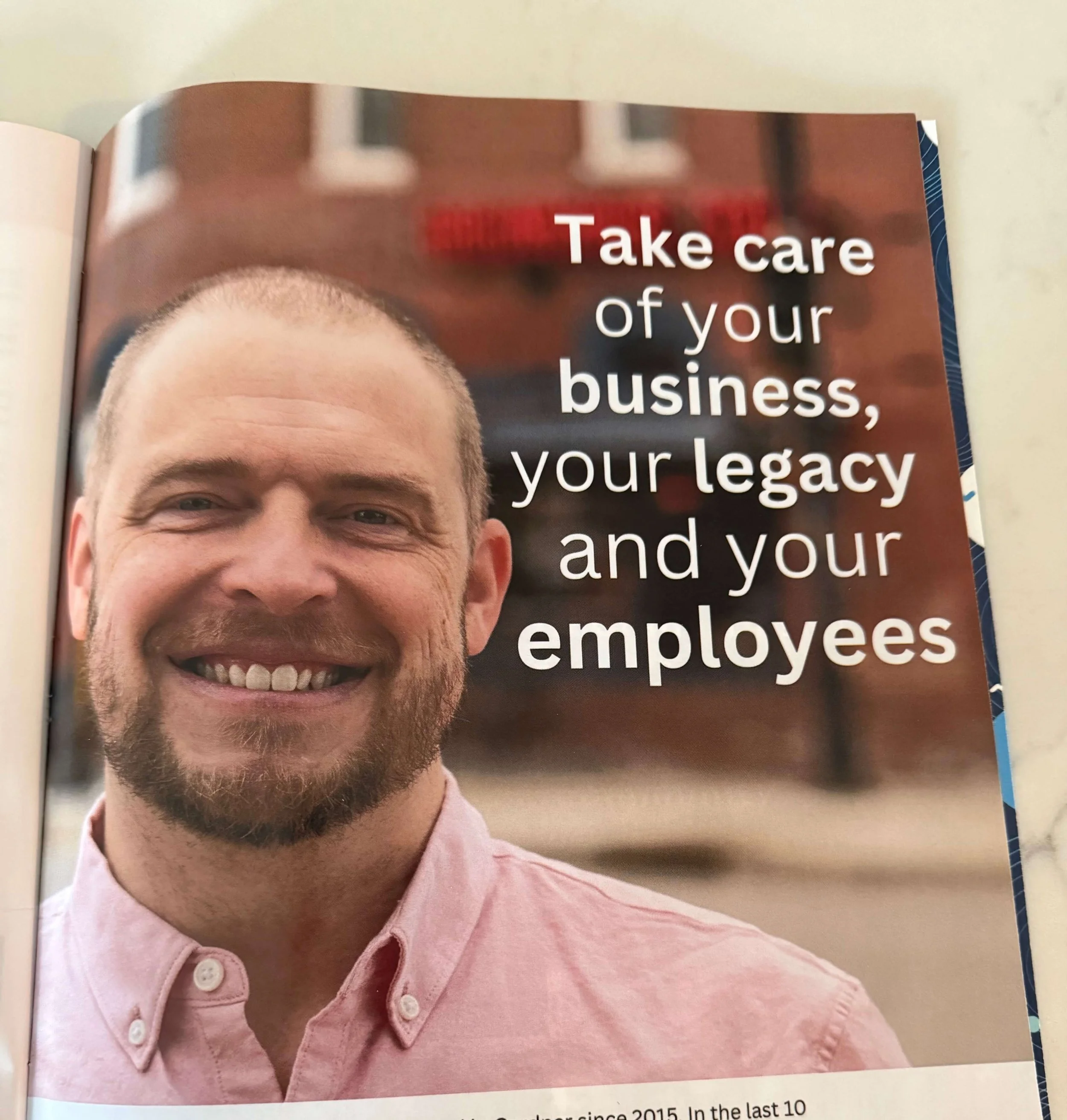
Since our interview, Keith has continued to aggressively evolve and pour his knowledge back into the town he loves. His ultimate vision is not just to build businesses, but to build up Gardner, Kansas. "I would love to continue to develop businesses that are people-focused... to help close that gap between incomes and housing prices," he shared.
To do that, he stepped back from the day-to-day CEO role at MythicHire (by handing the reins to his co-founder), to launch 030 Holding Company. Keith has now launched 030 Holding Company. His new mission is to acquire small businesses using seller financing. He hopes to preserve local legacies and increase community wealth through job creation, higher wages, and profit-sharing tracks. In October, the holding company acquired its first business, Madison Street Threads. Keith’s strategy is that each business in the portfolio will provide discounted services to the others, creating an insulated, resilient ecosystem.
He is also taking his knowledge back to the classroom, teaching two courses on buying and selling businesses with seller financing at the Small Business Development Center at JCCC.

While his passion for advocacy remains fierce, his methods have matured. He won a seat on his local school board but resigned after moving districts. Instead of fighting in the legislature, he is using his business leadership as a force for good, recently working directly with the local police department to develop humane alternative plans after the city criminalized homelessness.
Keith Davenport spent the first half of his life trying to fit into the boxes society built for him: the dutiful pastor, the grinding corporate manager, the stressed-out politician. Today, he is none of those things. He is a thriving, neurodivergent entrepreneur building an empire in the town he loves.
He has built a life where his work and his family are no longer competing forces. When asked about his most liberating decision, he said it was "giving myself permission to break up the day in different ways... to just do what I needed to do for the family".
If you ask him how he measures his ultimate success, it has nothing to do with the businesses he owns. "Do I want to have the ability to empower lots of other people or do I want to be a good dad and a good husband?" he said. "I'm gonna pick being a good dad and a good husband every time"
Keith’s Advice for Wayfinders
At the end of every episode, I ask my guests what advice they would give to people still trying to figure out what to do with their lives. Here is what Keith said.
Be Planful and Patient
"Whatever you start, the sales cycle always takes way longer than you anticipate. I think you should probably plan on three to five times longer than you think it's gonna take to get a signed contractor or client."Define Your Risk Tolerance Upfront
Keith recommends you understand your risk tolerance from the get-go. Keith shared that someone advised him to leverage the equity in his house to purchase real estate, but he flat-out refused, stating, "I was never gonna put where my family lived at risk for a business... that's not even on the table."Seek Out Free "Business Therapy"
Keith highly recommends taking advantage of local Small Business Development Centers (SBDC), which provide no-cost, expert consulting funded by the SBA. He noted that meeting with his SBDC consultant is literally "like therapy for business."
Follow Keith
LinkedIn: linkedin.com/in/keithmdavenport
This post is part of the 101 Ways Out series: stories of people who found the courage to exit the status quo and build a life of purpose, freedom, and joy.
