Way Out #25: From Corporate Climb to Making Wine with Sarah Lyons
Step onto the grass of a local wine festival or walk into an intimate backyard gathering, and you will find Sarah Lyons pouring her heart out. But she isn't just selling bottles of wine; she is selling a perspective. When she talks to customers about leaving her twenty-one-year, high-status corporate career to do what she loves, she watches their faces light up with a mix of awe and a deep, quiet recognition. Almost everyone she meets, it turns out, is harboring the exact same dream: the desire to escape a job that makes them unhappy and build a life centered around what they actually love.
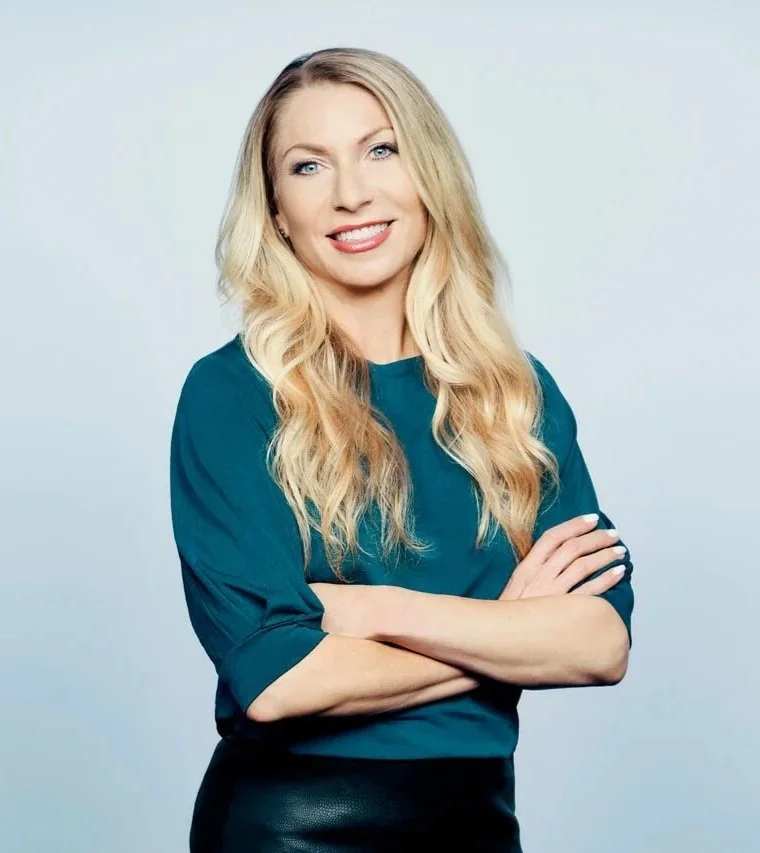
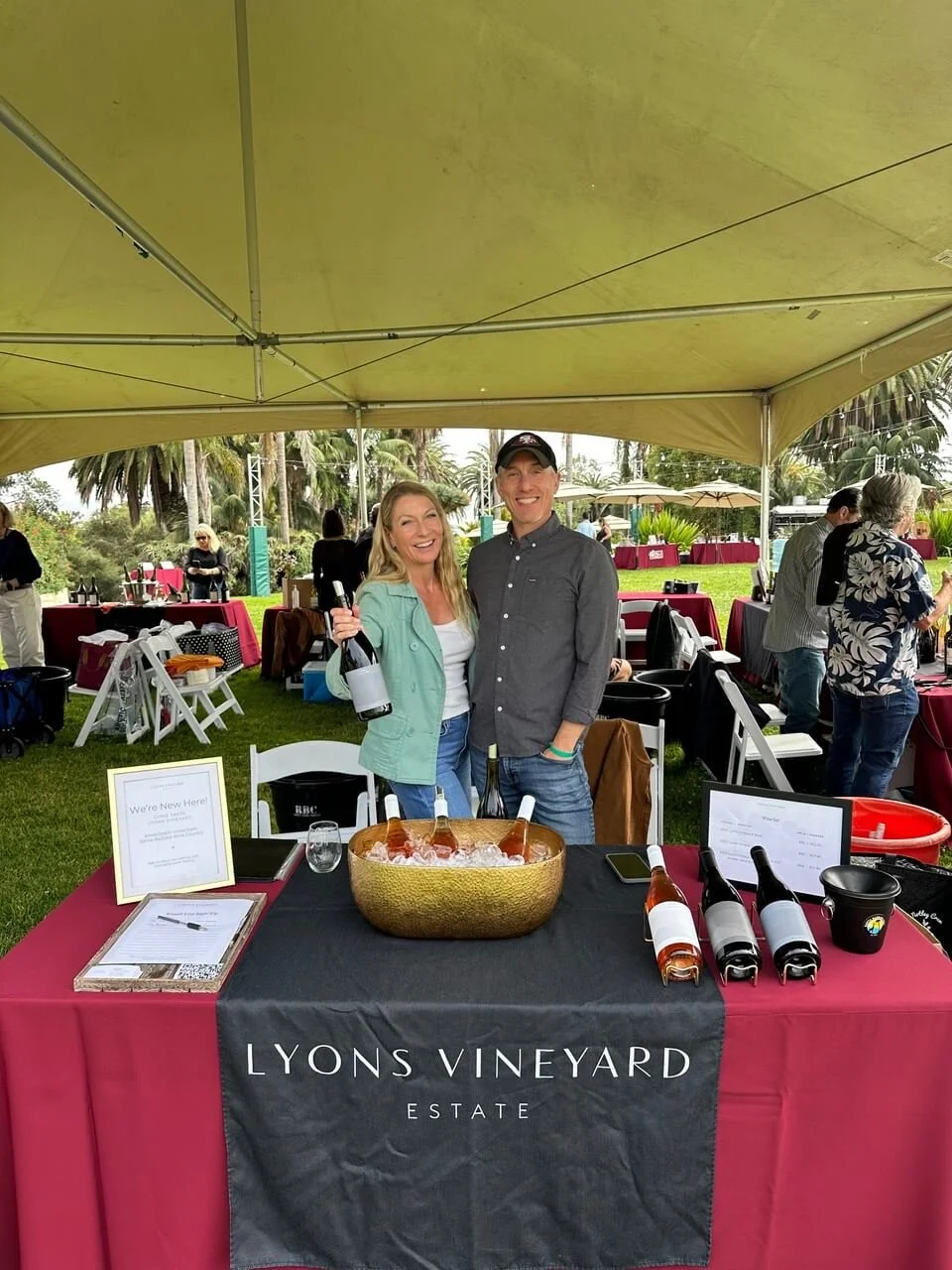
Today, Sarah has built that very life. Lyons Vineyard isn’t just a brand; it’s a living, breathing proof of concept for a different way of being. Using grassroots gatherings, Sarah and her husband have pioneered intimate, in-home private tastings of ten to fourteen people: tapping into friends of friends, playing lighthearted games with small prizes, and converting wine curiosity into enthusiastic bottle sales and club member sign-ups.
Her ultimate yardstick for this new chapter isn’t a corporate EBITDA target or a title on a slide. It’s a simple quote that has become her personal manifesto:
"I want to wake up on Monday and not be upset that it's Monday. I want to not wish away five-sevenths of my week."
This level of radical autonomy was not built overnight. It was designed years ago, rooted in a childhood that taught her how to create from scratch and be her own best advocate.
Sarah’s Life Path: Rooted in Creativity
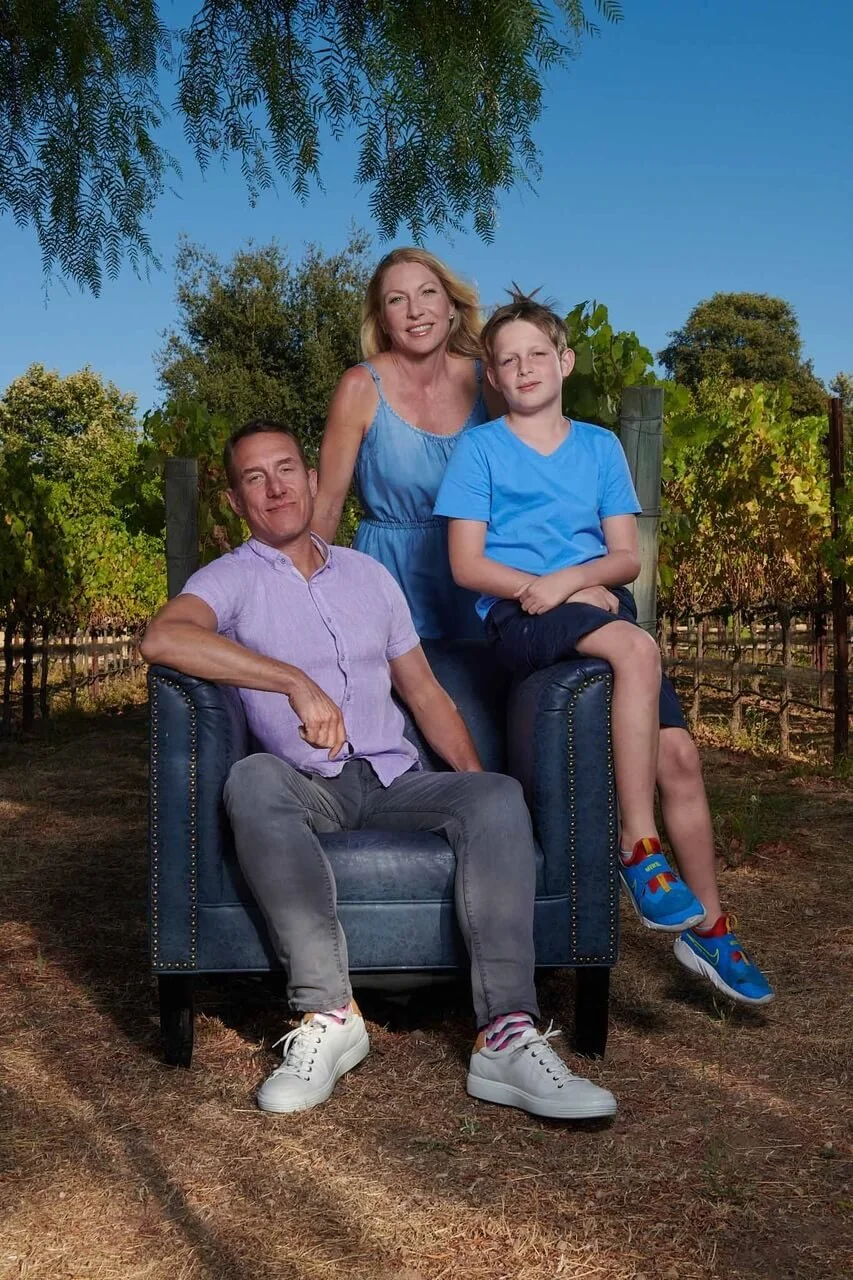
Without siblings around and in an era before digital screens, Sarah had to entertain herself. She spent her days writing her own games, climbing trees, and roaming the woods. This solitude didn't isolate her, it made her fiercely independent, highly imaginative, and entirely unafraid to go anywhere or do anything by herself.
Her father was a Navy intelligence officer who was frequently away. Often, his family didn’t (and couldn’t) even know where he was in the world. Her mother was a powerhouse of public service at a time when systemic footholds for women were incredibly rare. Over her career, she served as the director of Planned Parenthood, ran a YWCA shelter for women fleeing domestic violence, worked for a United States Congresswoman, and managed a local library. She did not just model independence; she actively engineered it in her daughter.
Her mother also taught her a brilliant, lifelong lesson in personal agency. Whenever young Sarah wanted to take a lesson, whether it was tennis, violin, or hula dancing, her mother gave her one simple rule:
"You can take whatever lesson you want. But you have to research it. You have to call them up, find out what the cost is and what days it is, and come to me with all the information. Then you can do it."
This simple childhood rule instilled a profound sense of self-efficacy. It taught Sarah that she had the power to navigate the systems, negotiate terms, ask direct questions, and confidently claim her space in any room she walked into.
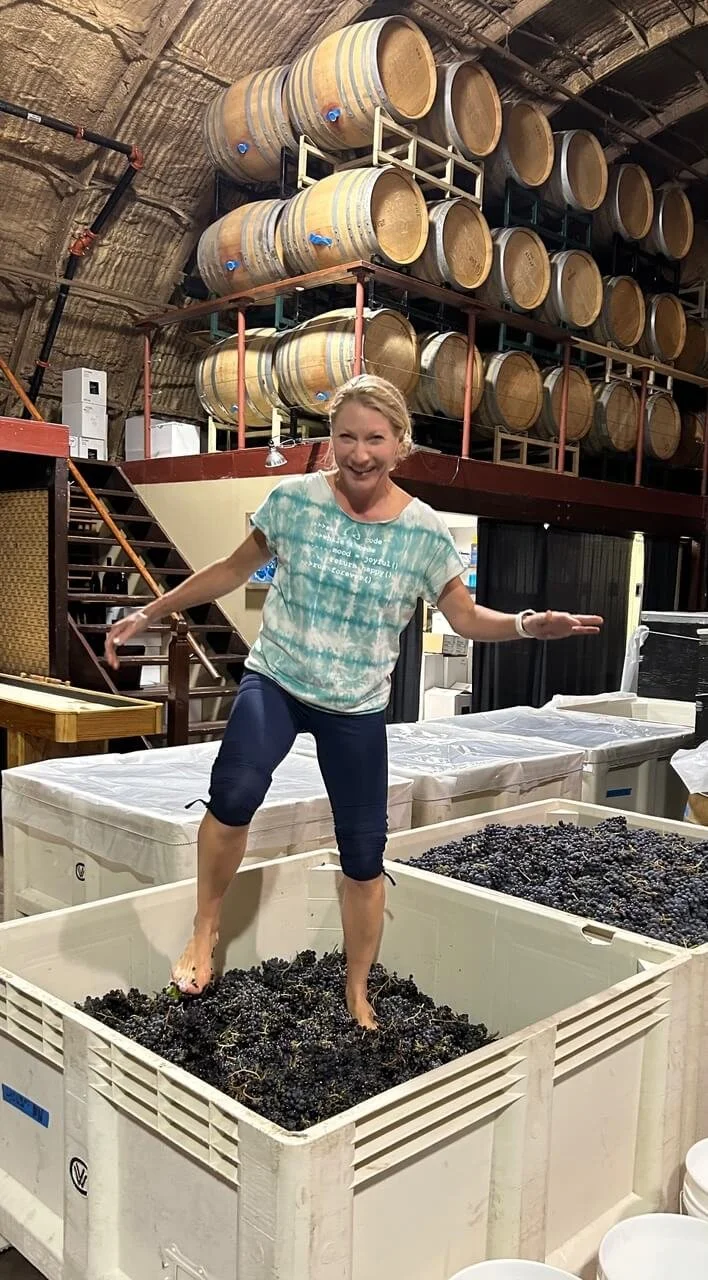
This independence served her well during her junior year of college, when she studied abroad in Spain. Traveling around Europe with only paper maps, pre-Google Translate, and navigating countries undergoing massive historical transformations (like post-Franco Spain and Prague just after it opened up), Sarah realized: "If I can find my way around with a paper map, I can pretty much figure out how to do anything I need to do."
Due to her parents’ influence, Sarah minored in art instead of majoring in it. She studied communications and channeled her work ethic into her corporate climb. Over twenty-one years, she built an incredibly successful career as a senior media executive at WarnerMedia, DIRECTV, and HBO Max.
Decoupling Your Identity from Your W-2
Sarah eventually reached the peak of her field as a senior executive at WarnerMedia and HBO Max. She was a top performer, helping design and launch some of the most recognized digital streaming platforms in the world.
But even at the highest executive levels, corporate loyalty remains a one-way street. When the massive WarnerMedia/Discovery merger and subsequent restructuring swept through the organization, Sarah’s role was eliminated.
The layoff was a jarring reminder of the illusion of security that keeps so many high performers tethered to W-2 roles. The corporate machine can pull the rug out from under anyone, at any time, regardless of their performance reviews, dedication, or executive status.
Walking away from a 21-year corporate identity is a disorienting, raw experience. In a society where the default social icebreaker is "What do you do for a living?", losing a prestigious title like Executive Vice President can feel like a profound identity crisis. As she shared in our interview:
"One of the big things that I really wrestled with when I left WarnerMedia was: Who am I that I don't have this job and I'm not in that role? What do I define myself as now, and what's my worth? What do I give to the world?"
For a career-driven achiever like Sarah, the deconstruction was challenging. She had to give herself permission to slow down and sit in the discomfort of the transition. To cope with the lack of corporate structure, she kept a strict daily schedule, waking up early, maintaining her fitness routine, and structuring her days to prevent the feeling of "floating."
Sarah is a realist. She acknowledges that chasing happiness requires a practical foundation.
"You kind of need some success in order to support your happiness," she admits. "You have to have had some success to fund your ability to step away or fund your ability to do something different on a Monday."
To achieve this, she and her husband have spent their careers practicing high financial discipline and building a long-term plan for optionality.
The Return: Reclaiming the Creative Soul
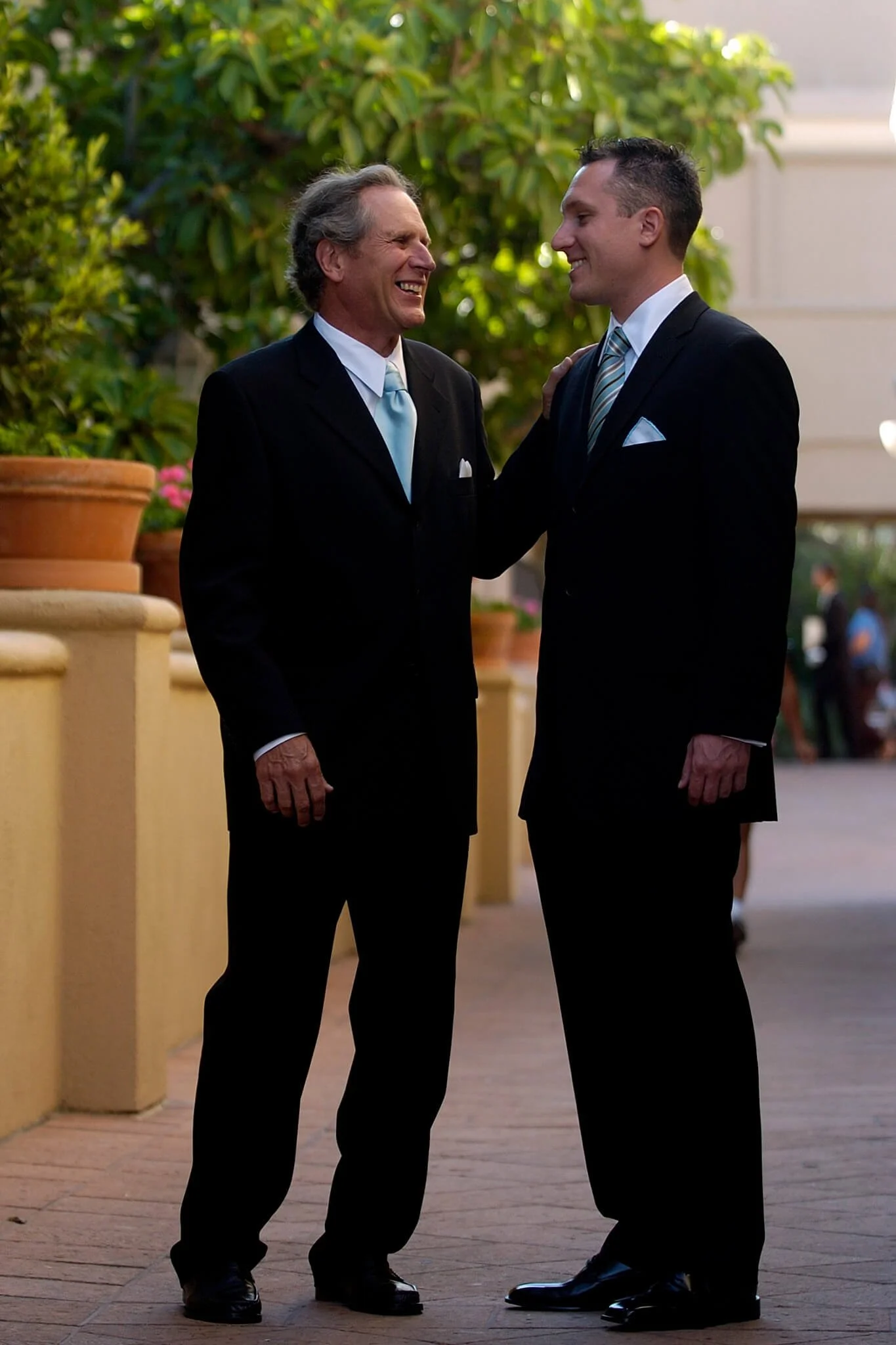
It was during her transition from her executive job that Sarah returned to her lifelong passion for creation. As a child, she had used painting and sculpting to channel her stress and express herself. Now, winemaking became the ultimate artistic outlet.
Lyons Vineyard was originally planned with her husband as a long-term retirement project, but the transition gap after her layoff accelerated their timeline. The roots of that dream ran deep: Sarah's husband had grown up immersed in the wine world. His father was a veteran California vineyard manager who spent his life building beautiful properties for other people. After he relocated to North Carolina, Sarah and her husband dreamed of bringing him back to California so they could all start a wine business together—building a true family legacy side-by-side.
Tragically, before they could make that leap, he passed away from lung cancer.
Though heartbroken, they chose to carry his spirit forward. They purchased a property with a few acres of grapes, turning their grief into a living, thriving tribute. Lyons Vineyard allowed Sarah to touch the dirt, work with her hands, and honor his legacy through creation. Because the climate, landscape, and weather vary wildly each season, every vintage is entirely unique. As she beautifully puts it, "Wine is like a time capsule."
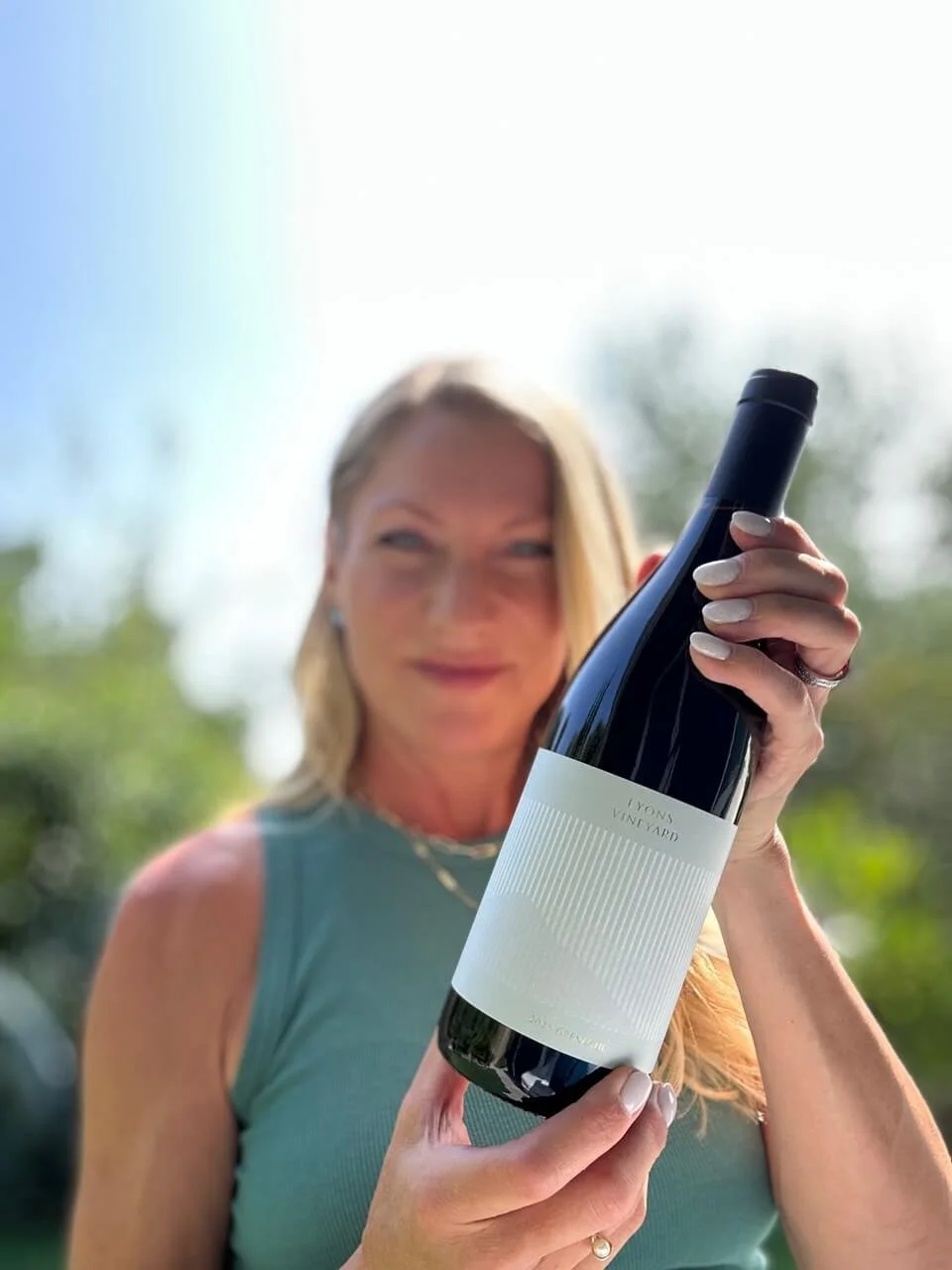
Today, they run the boutique brand entirely on their own terms. They have pioneered a grassroots approach, hosting intimate gatherings of 10 to 14 people that focus on storytelling, lighthearted games, and authentic community.
Whether launching a streaming app or crafting a bottle of wine, Sarah realized the underlying driver is identical: taking raw inputs and creating something beautiful to share with the world.
"You always come up with the most creative ideas when you've got some sort of parameter," Sarah notes. "A little bit of confinement actually makes you more creative. You're taking whatever Mother Nature gave you and making something out of it."
A Pragmatic Portfolio: Openness, Ambition, and the Reality of Money
Many entrepreneurship stories end there, with the founder happily working the soil, never looking back. But Sarah's story is far more pragmatic and honest. She is still career-driven. She still wants to climb the corporate ladder, sit on a public board, and achieve the corporate success she has spent her life chasing.
And, quite frankly, she is open about the financial driver: everyone wants more money. High-stakes corporate media roles provide the capital and wealth generation that fund big dreams, and Sarah and her husband have massive dreams on the horizon for their wine business.
This financial optionality completely flips the power dynamic of corporate America. Because she does not rely on a W-2 paycheck to survive, she can say no to toxic cultures and managers who take credit for her wins. She is actively putting out feelers for her next corporate role, but she has the leverage to wait for the right fit, the right team, the right compensation, and the right leader.
She is not running away from corporate America; she is choosing to step back in on her own terms.
Sarah’s Tips for Wayfinders
Let Motherhood reframe your stress
For women in leadership, corporate politics can feel like an existential crisis. But Sarah found an unexpected source of boundary-setting and stress relief when she returned to work after maternity leave. She realized, "If I can deal with this newborn baby at home, I can deal with any crazy executive that I need to deal with at work." This mental shift dissolved her corporate stress, allowing her to perform at an elite level without letting the corporate drama get under her skin.Always take every recruiter call (even when you're completely happy)
Never close the door on an industry conversation. Taking recruiter calls when you are fully satisfied in your current job helps you build an active network of trusted allies and sounding boards, ensuring you always maintain strong career optionality.Financially educate the next generation early
Build a legacy of abundance by actively involving your children in money decisions. Demystify concepts like credit card interest, match their personal savings, and introduce them to investing so they learn how to create lifestyle flexibility early on.Nurture diverse hobbies early to protect your identity
Cultivating a rich portfolio of creative passions—like winemaking, tennis, or art—gives you a truer sense of self beyond your W-2 job. This ensures you aren't completely defined by your labor and already know what brings you joy before you step away.