Way Out #7: From Emmy-Winning Oprah Producer to Entrepreneur and Puppeteer with Lisa Weiss
The Cigar Box

Before Lisa Weiss was an Emmy-winning producer, she was a girl growing up in Evanston, Illinois, in a household shaped by the immigrant experience. Her father was a first-generation American whose parents fled Hungary and Czechoslovakia in the late 1930s to escape the Holocaust. These grandparents were a constant, looming presence, instilling in her a deep respect for elders and an early awareness of the entrepreneurial struggle.
One of Lisa’s most vivid memories is of her father showing her a small cigar box filled with "treasures," free toys pulled from cereal boxes because his family couldn't afford to buy them. "That just stuck with me," Lisa says. "The appreciation for anything you have... I don’t want to take things for granted".
A Career Map From the Midwest to the Coasts
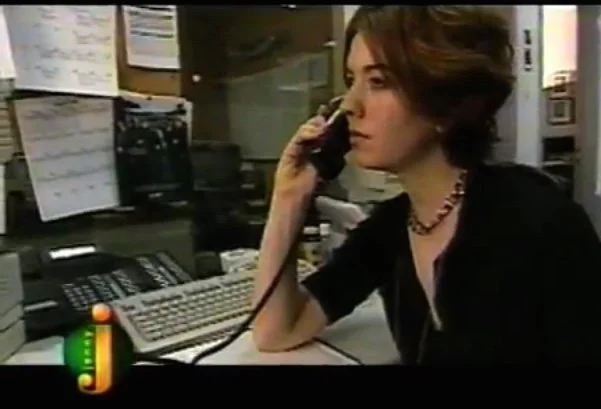
Lisa’s way out wasn’t one dramatic exit. It was a series of moves that pulled her deeper into media: from a news writing internship in St. Louis that "lit her up," to Chicago (Jenny Jones, then Harpo), to Los Angeles—where she wanted the sunshine and the “mecca” of television and film—then Boston (WGBH on a National Science Foundation-funded kids’ show), and finally New York City at CBS News in the pressure cooker of morning show ratings.
On paper, Lisa had reached the pinnacle. As the Co-Executive Producer for Oprah’s Super Soul Sunday, she spent her days deep-diving into the lives of the world’s most fascinating thinkers. But while she was helping others share their truths, her own life was a "well-oiled machine" that left little room for personal exploration.
"I hardly even read outside of work because I was working so many hours," Lisa recalled. "I was hyper-focused on my career. I was myopic".
The Oprah Effect: A Spiritual Awakening
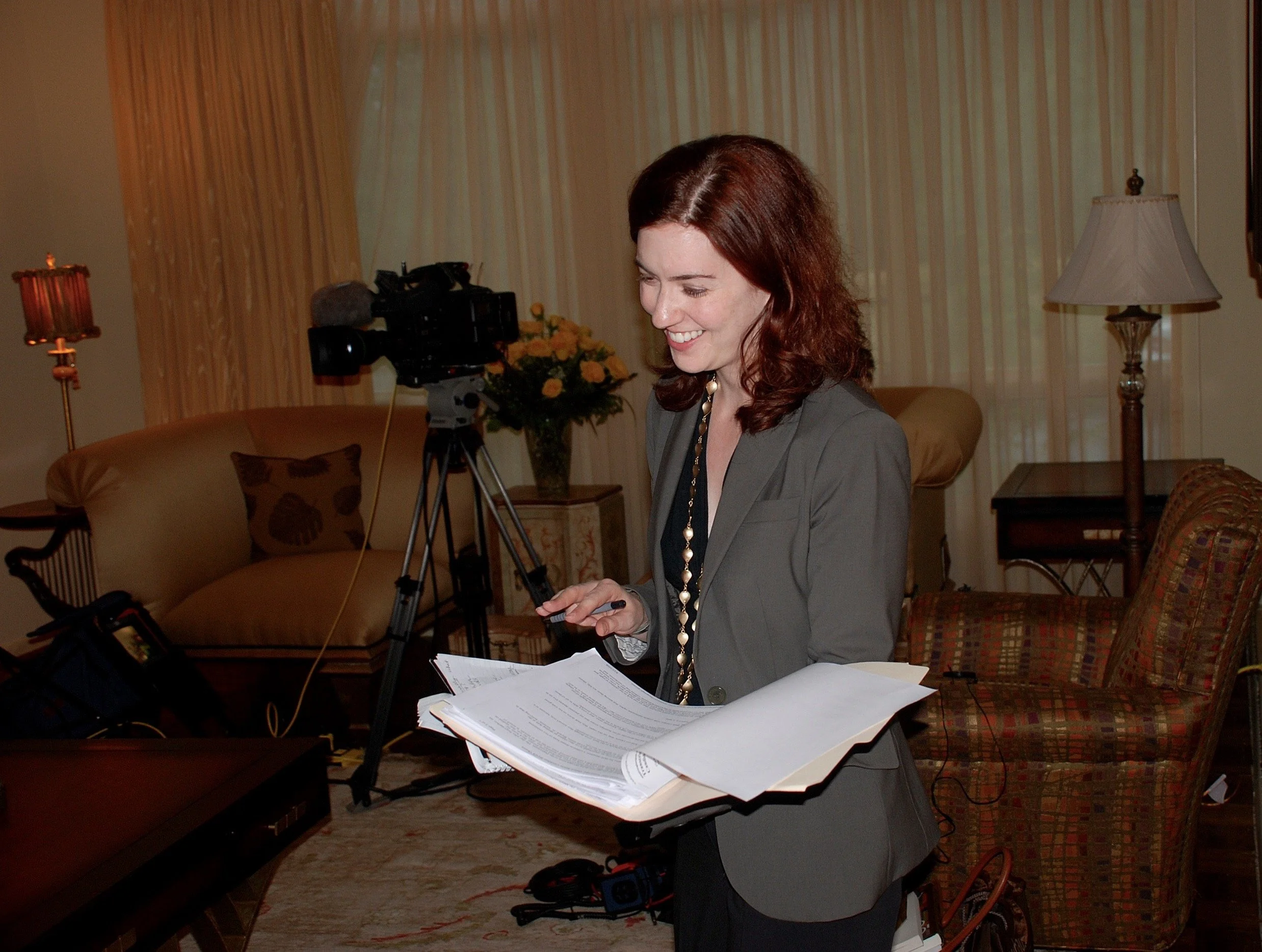
Perhaps the most profound change in Lisa came not from her professional titles, but from the content she was producing. Despite working for the queen of mindfulness, Lisa admits she initially didn't consider herself a spiritual person at all.
"That part of it was a total awakening for me," she says. Through her work, she was forced to read books and interview experts she otherwise would have been closed off to. A turning point was learning about meditation from a medical and scientific perspective through guests like Jon Kabat-Zinn. Even though she was a "Type A" producer focused on the next deliverable, the lessons on Transcendental Meditation eventually began to seep in, teaching her that those who think they have the least time for silence are usually the ones who need it most.
Choosing Freedom Over the Mercy of the Market
In 2015, Harpo Studios announced it was closing its Chicago doors. Lisa found herself laid off and newly pregnant. In an industry where she saw few examples of women leaders balancing families, she realized she had to take the wheel. "I didn’t want to be at the mercy of another organization that has complete control over my job," she explains.
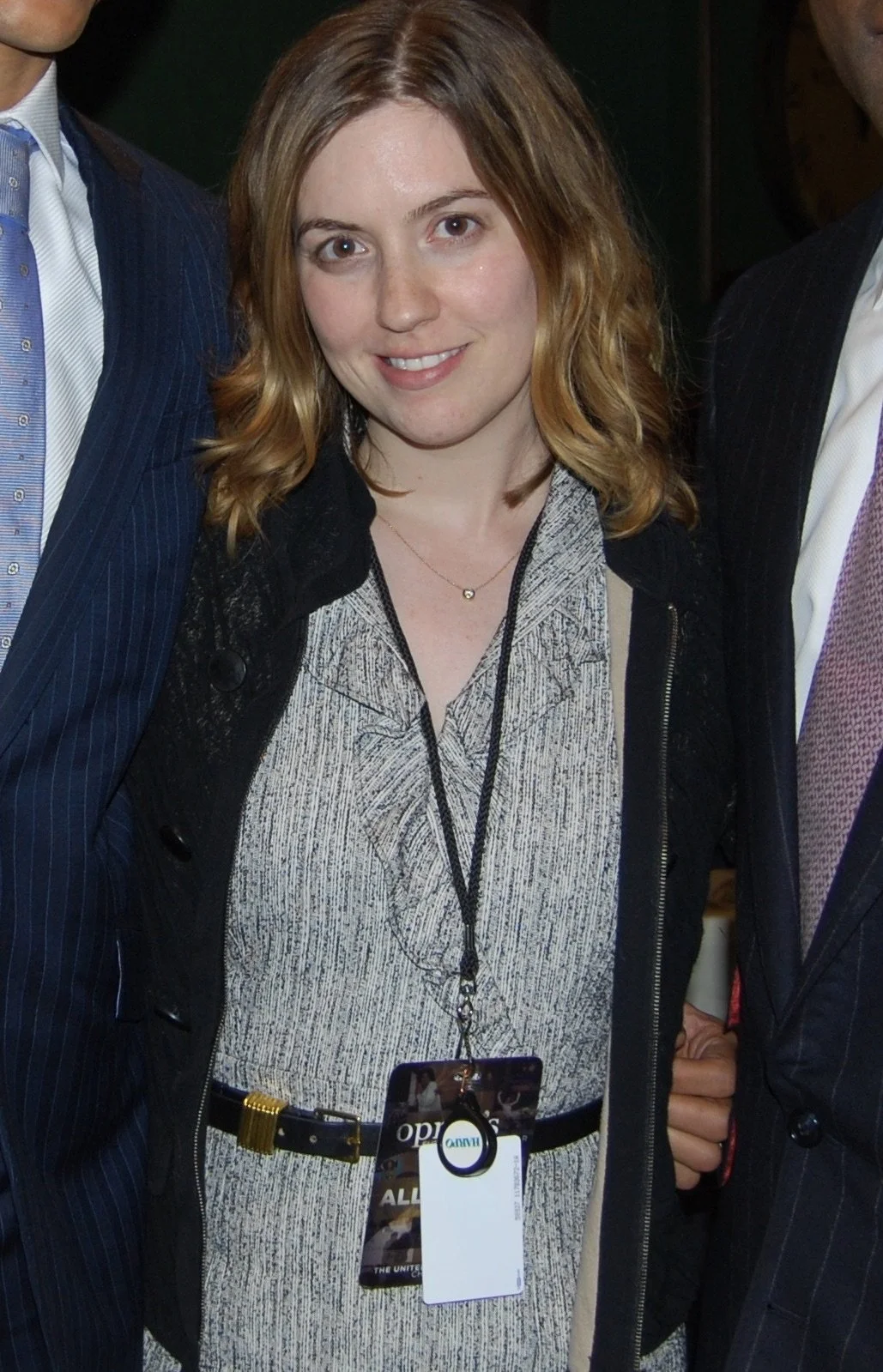
Starting her own business didn’t immediately bring clarity; in fact, it brought a lot of noise. Lisa admits that in the beginning, "I think I listened to too many voices… giving me different advice.” One of those voices, a venture capitalist, suggested she pivot into low-cost video production. On paper, it made sense: it was scalable, accessible, and marketable.
"I was advised by a venture capitalist that that would be a market I could get into".
But deep down, it didn’t sit right. Lisa’s expertise wasn't in churning out content; it was in craftsmanship. As she put it, "It really didn't make sense for me and my background… I had worked in high-cost video… intense deep work".
The irony of the situation wasn't lost on her. Despite the strong direction he gave, "he didn't invest… they're sort of giving you advice of what you should do… [even] when they're not investing."
Ultimately, the lesson was sharper than the setback. The experience forced a critical realization: "I learned a lot about who I should listen to and why I wasn't listening to myself." That was the true "Way Out" moment—not the layoff itself, but the recalibration of self-trust.
She eventually pivoted back to her true strength: helping individuals—primarily women in their 40s and 50s—unearth their own stories through her business, StoryBeat Studio.
The Seven-Figure Mirage
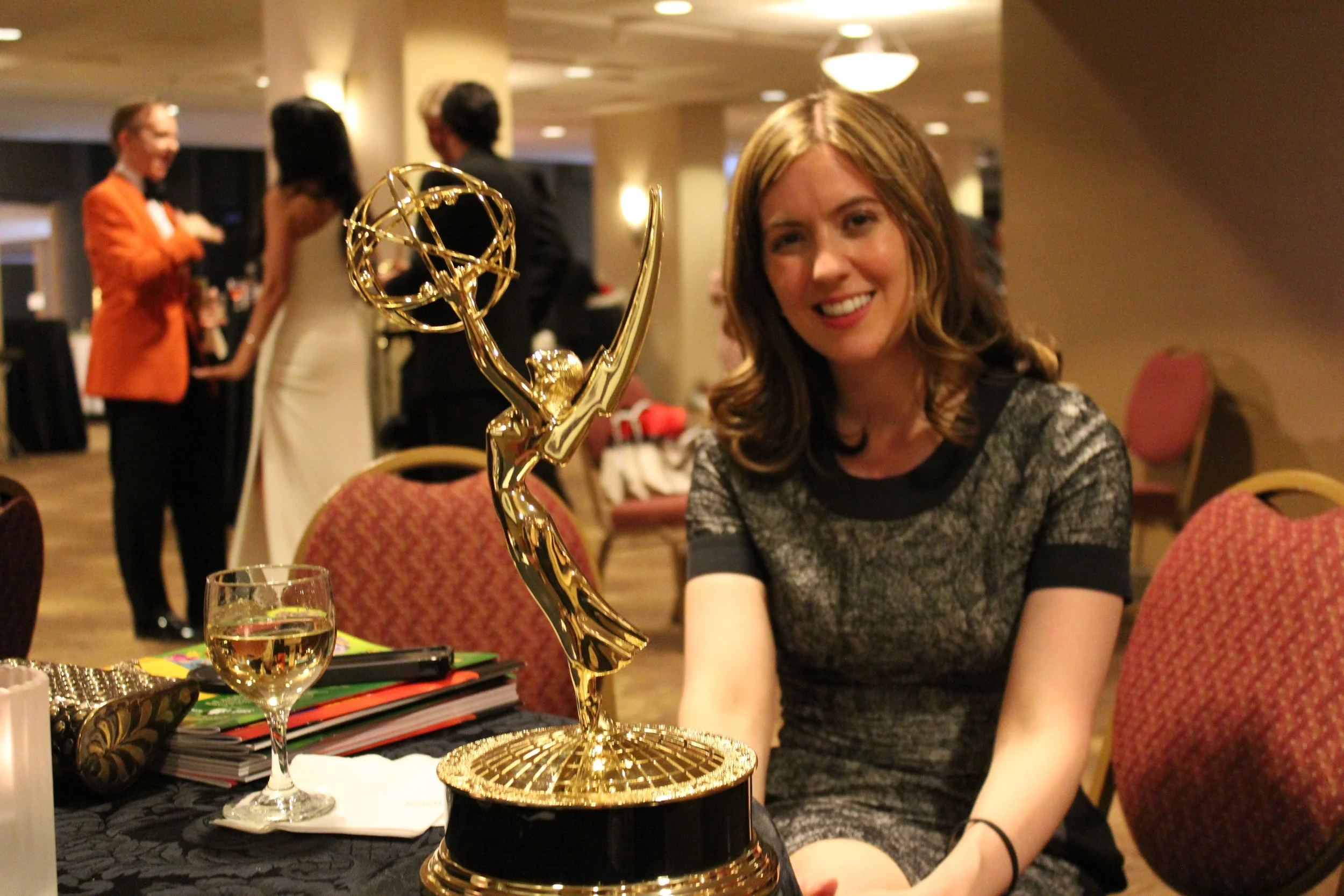
When I asked Lisa how her income and her relationship to it had changed since leaving corporate media, she didn’t hesitate to challenge the standard narrative about entrepreneurship.
"I used to think that the only success for an entrepreneurial venture was seven figures and up, and I just don't feel that way," she told me. "I'm not a seven-figure business, and I don't wanna be."
That is a radical statement in a culture obsessed with scale. But for Lisa, hitting an arbitrary number isn't the point. "I don't need to be a seven-figure business to meet those goals, even though others set that up as the watermark of success".
Instead, she has found a new metric. "For me, it's more about impact than it is just about financial goals.” That is a deliberate, powerful recalibration.
The Fred Rogers Inspiration and the Puppet Show
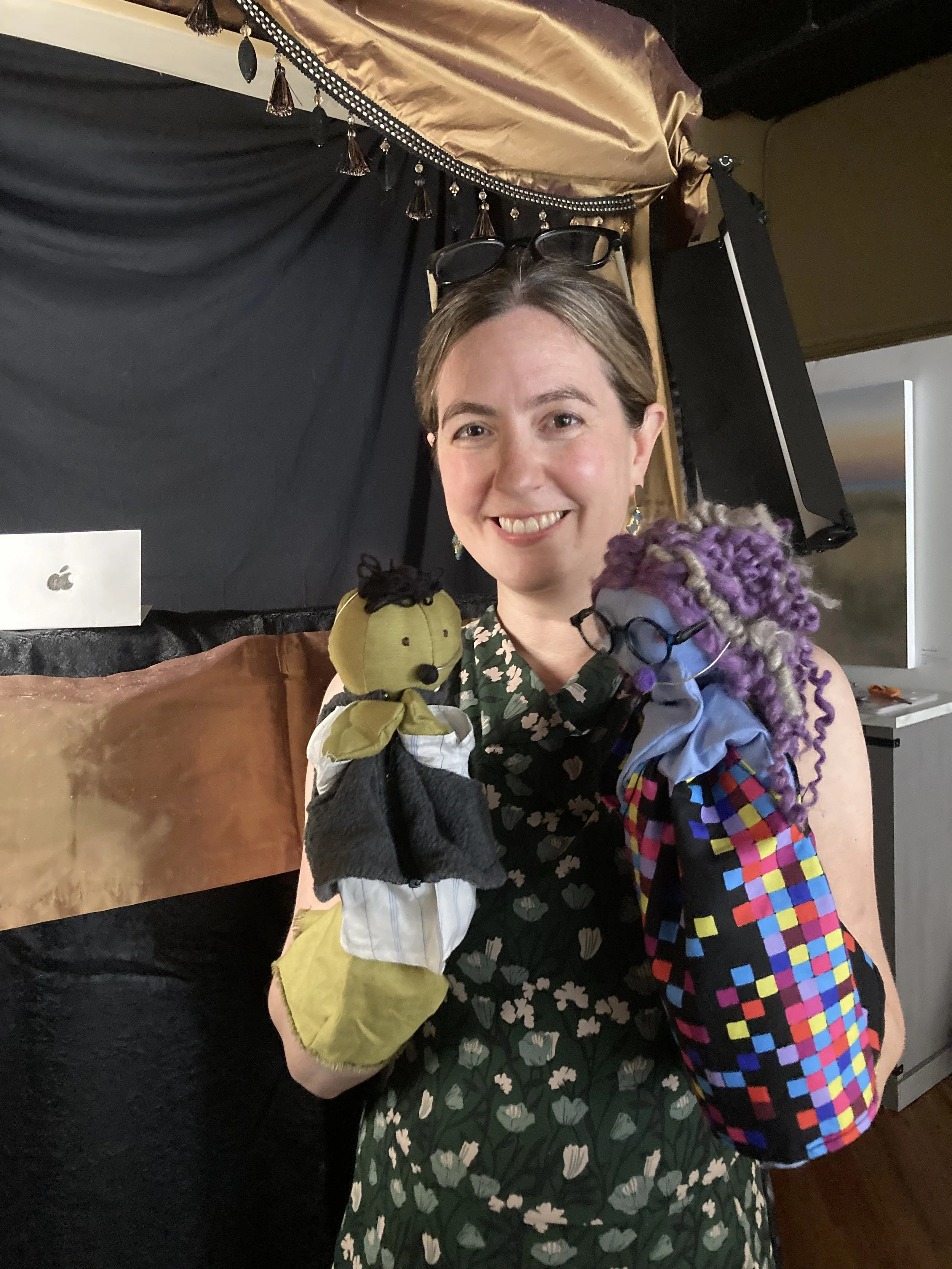
The spark for Lisa's entire career—and her most recent liberating act—dates back to her childhood inspiration: Fred Rogers. "He is the reason... why I became a storyteller for mass media because of him and the potential for reaching people across the screen," she shares.
After decades in corporate media, Lisa realized she was "creatively constipated," hiding a lifelong dream of performing puppetry because it felt "silly". Urged by her coach, she finally performed a public puppet show about mansplaining for grownups. "It’s my version of skydiving," Lisa laughed. Doing the "wacky thing" in public made the "scary" business tasks feel easy by comparison.
Lisa’s Advice for Wayfinders
Happiness IS Success
After reaching the pinnacle of traditional media success (Emmys, Oprah, and high-status titles), Lisa realized that "winning" didn't necessarily feel like living. She admits she initially fell into the trap of thinking she needed to build a massive, scalable empire to be considered a "real" entrepreneur. Now, she measures success differently. As she says, "Joy and fulfillment are more important than success as I used to define it." If your business model hits a revenue goal but destroys your peace, it’s a failed model.Filter Out Your "Shoulds"
Be careful of "well-meaning" experts who give advice that disconnects you from your genius. Early in her startup journey, a Venture Capitalist told Lisa to pivot into "low-cost video" because it was scalable and trendy. She spent months building a Minimum Viable Product (MVP) she hated, ignoring her background in high-end, deep storytelling. The irony? The VC didn’t even invest. Just because a strategy is profitable for someone else doesn't mean it's right for you.Listen to Yourself (The Battle Against the "Unlived Life")
Learning to hear your own voice, not just the voices of clients, bosses, or algorithms, is the most vital work you will do. Lisa spent decades telling other people's stories, from the chaotic guests on The Jenny Jones Show to the spiritual thought leaders on Oprah’s Super Soul Sunday. It wasn't until she was laid off that she was forced to confront the silence and ask: What do I want to say? Trusting your gut is terrifying, especially when it tells you to do something illogical, like performing a puppet show about mansplaining. But as Lisa found, those moments of "weird" intuition are often where your true business confidence lives.
Follow Lisa
Lisa’s journey reminds us that the things we loved as children often hold the key to our most authentic adult lives. Is there a dream you've been keeping in the closet?
This post is part of the 101 Ways Out series: stories of people who found the courage to exit the status quo and build a life of purpose, freedom, and joy.